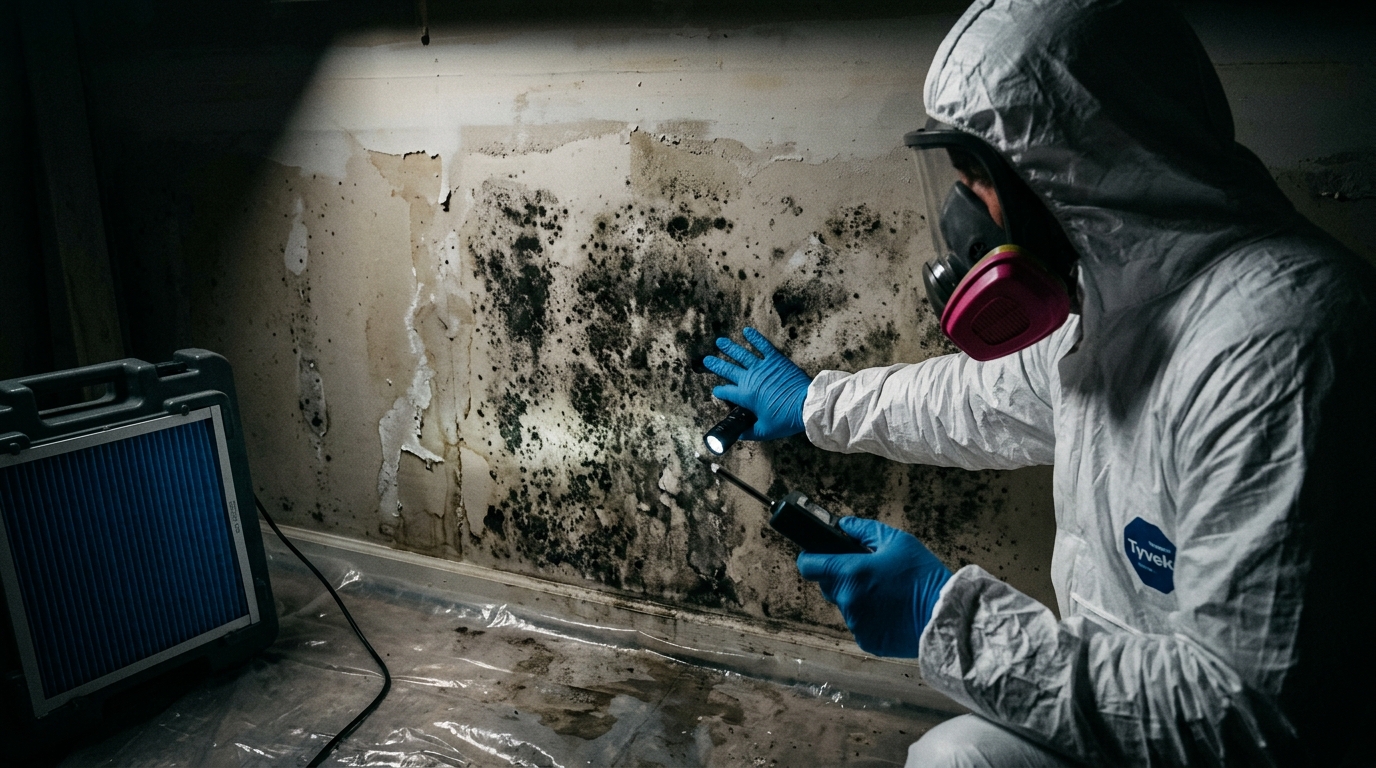
Mold Remediation in Mesa, AZ
When facing suspected mold growth, our team delivers complete mold remediation in Mesa, AZ for residential and commercial properties. We provide professional mold remediation throughout Mesa, AZ and surrounding Maricopa County communities — identifying moisture sources, establishing HEPA containment, and safely removing contamination.
Found Mold in Your Mesa Property?Don't Just Cover It Up.
Mold is often a symptom of an underlying moisture problem — a leak, plumbing issue, water damage, or condensation. Explore the most common mold situations our Mesa remediation team addresses:
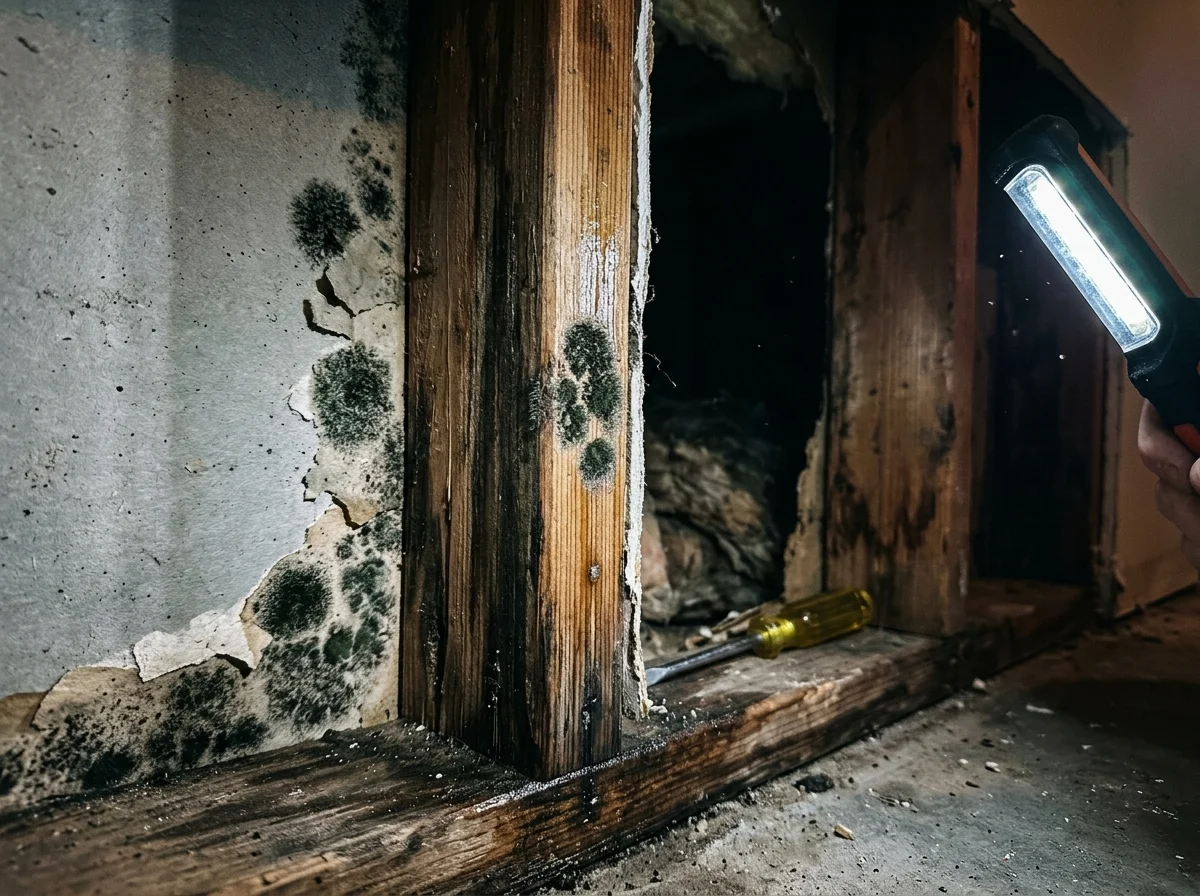
Mold After Water Damage
Water damage that is not completely dried can leave moisture trapped inside building materials. Mold can develop after leaks, floods, plumbing failures, and other water-related incidents — often inside walls and under flooring where it isn't immediately visible.
- Post-flood mold growth
- Mold under flooring after leaks
- Wall cavity mold from hidden pipes
- Mold in drywall after water intrusion
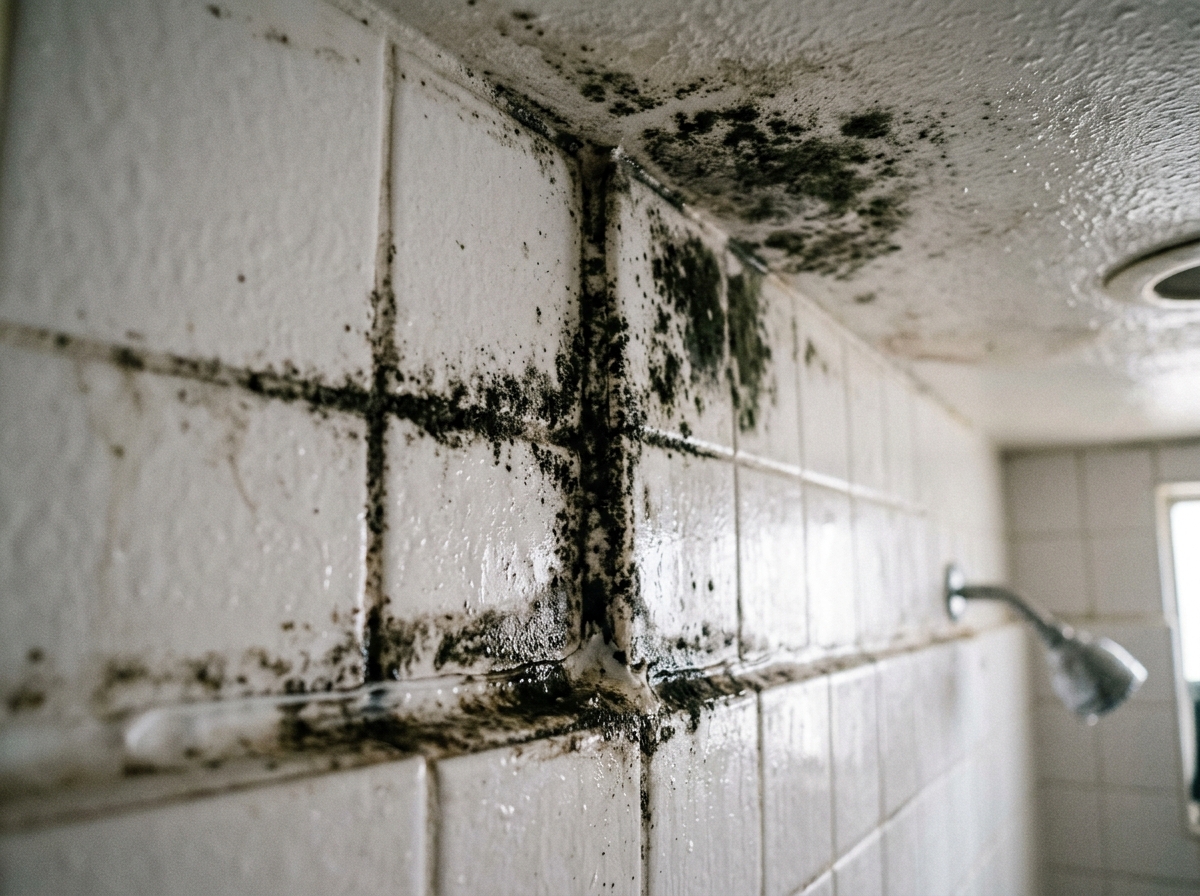
Bathroom & Shower Mold
Bathrooms experience frequent moisture and humidity, making them common locations for mold growth. Recurring mold around showers, ceilings, grout, or walls can indicate an ongoing moisture problem beyond surface cleaning.
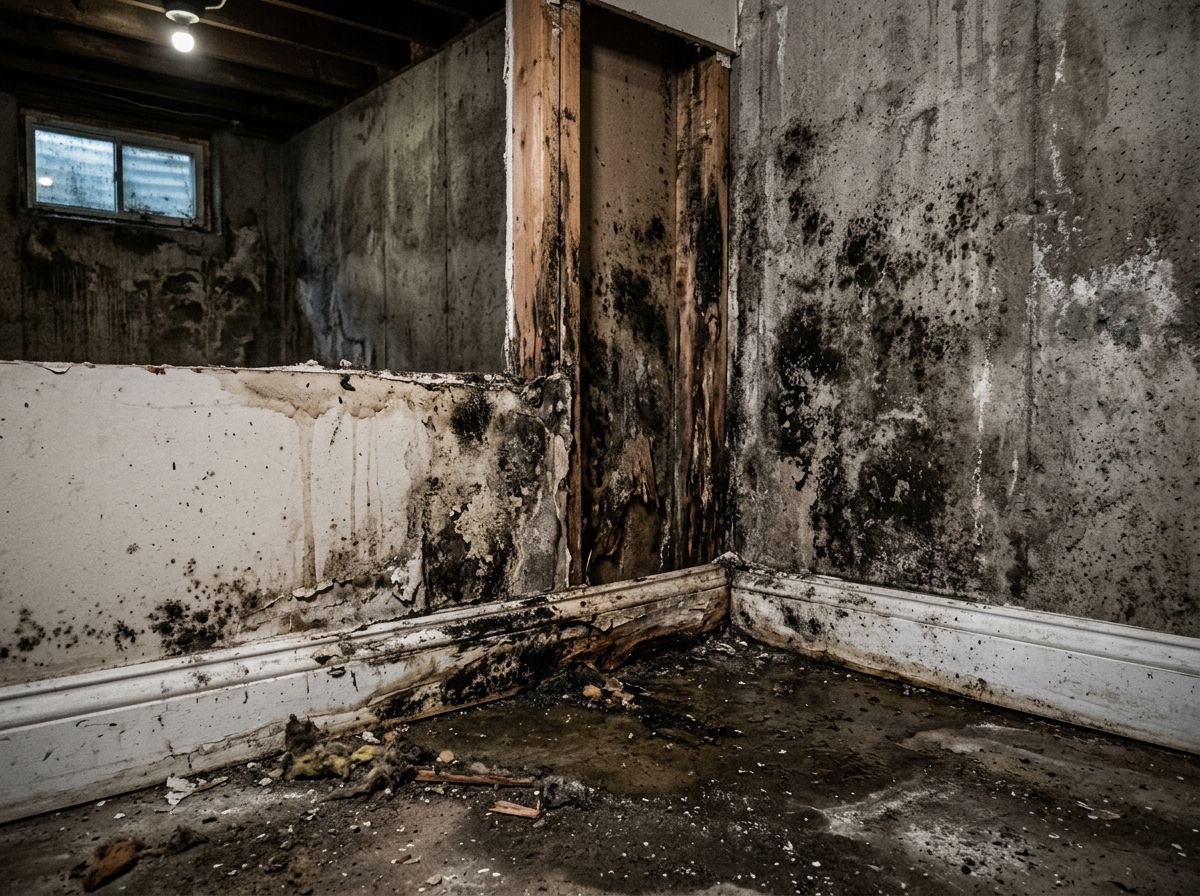
Basement Mold
Basements can develop mold after leaks, flooding, plumbing failures, or prolonged moisture exposure. Mold may affect flooring, drywall, framing, insulation, and stored contents throughout the space.
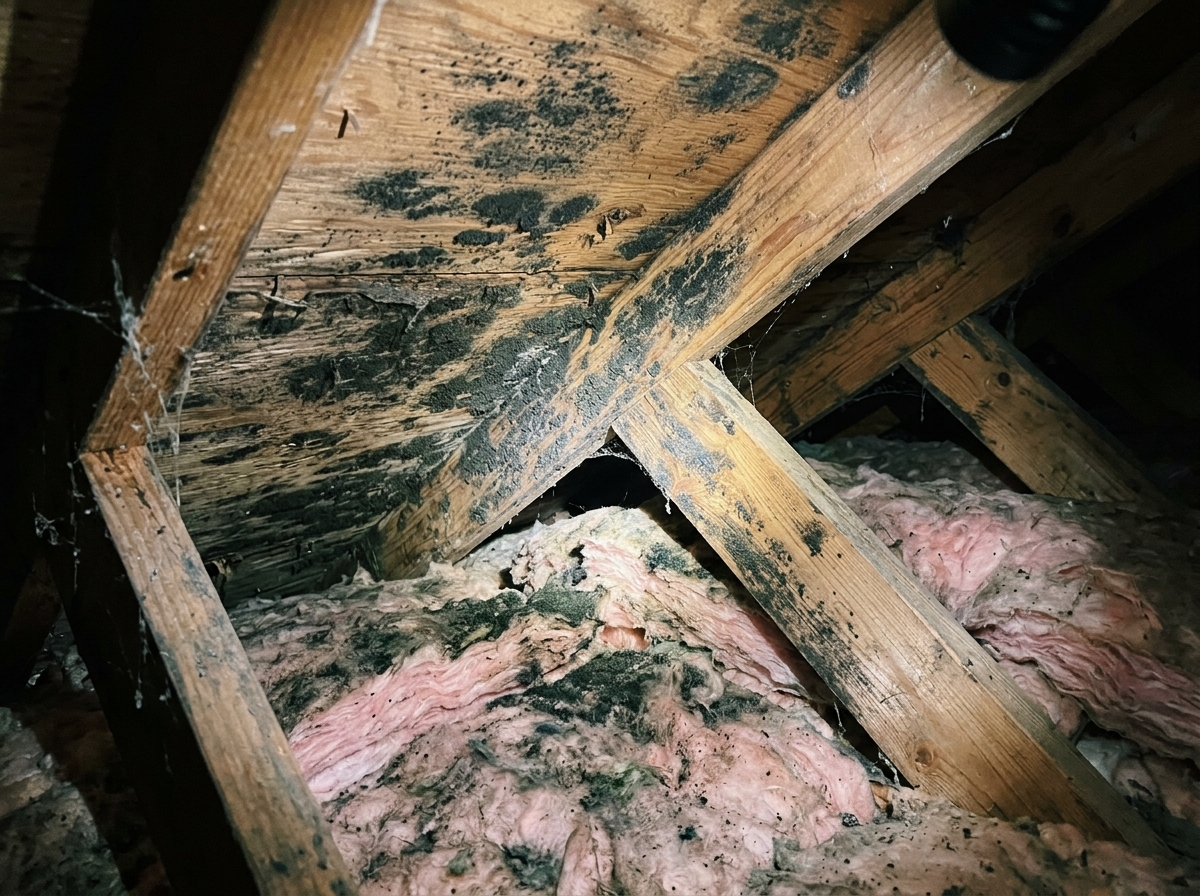
Attic Mold
Roof leaks, inadequate ventilation, and excess humidity can create conditions for mold growth in attics. Mold may affect roof decking, insulation, framing, and other structural materials.
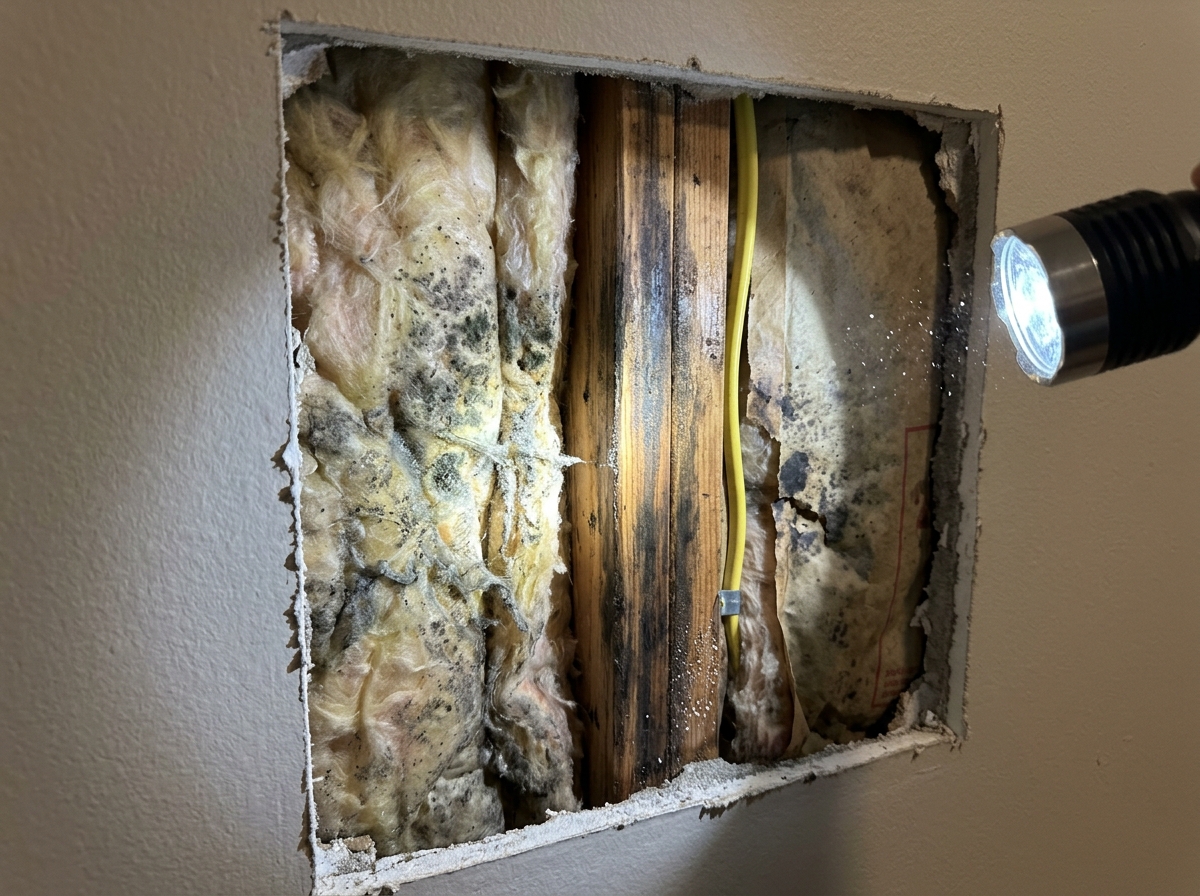
Mold Inside Walls & Ceilings
A leaking pipe or hidden water intrusion can create moisture inside wall and ceiling cavities where mold may develop without being immediately visible — often signaled by musty odors or staining.
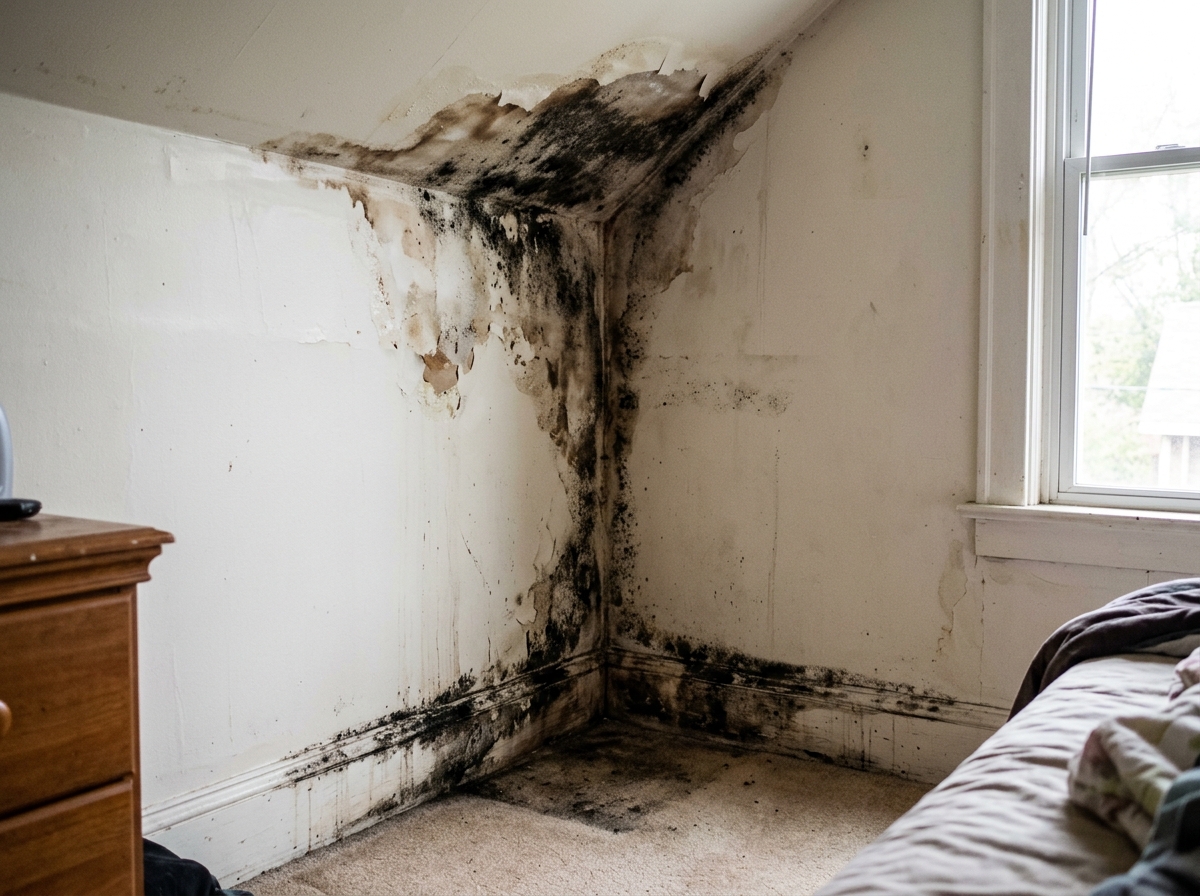
Recurring Mold Growth
If mold keeps returning after cleaning, the underlying moisture condition may not have been resolved. Identifying and correcting the source — a leak, condensation, or humidity — is an essential part of long-term remediation.
Don't Let a Moisture Problem Become a Bigger Mold Problem
Mold can continue to grow when moisture remains inside your property. Professional remediation can help identify affected areas, contain the work, remove or clean affected materials, and address the moisture conditions at the source.
From Assessment to a Cleaner, Drier Property
Professional mold remediation addresses the affected area, contaminated materials, airborne particles, and the moisture conditions contributing to the problem — from initial inspection through restoration.
Take the Right Steps Before Remediation Begins
What you do — and don't do — before professional remediation begins can impact the extent of contamination spread. Follow these guidelines to help limit further mold spread.
When You Find Mold
What To Do
Keep the Area Dry
Address active leaks or other obvious sources of moisture when it is safe to do so. Avoid introducing additional moisture into the affected area.
Keep People & Pets Away
Limit access to the affected area to prevent unnecessary exposure to mold-contaminated materials and surfaces.
Document the Affected Area
If safe to do so, photograph visible mold and affected materials before any cleaning or disturbance for insurance and remediation documentation purposes.
Contact a Professional
A professional assessment can help determine the apparent extent of the mold problem and identify the moisture conditions that need to be addressed.
Avoid These Mistakes
What Not To Do
Don't Disturb the Mold
Avoid unnecessary scraping, brushing, or disturbing visible mold. Disturbing affected materials can spread spores into surrounding areas.
Don't Paint or Cover It
Painting or covering visible mold does not address the underlying moisture condition or contamination — mold can continue growing underneath.
Don't Move Contaminated Materials
Moving heavily affected materials through clean areas can spread contamination. Leave affected materials in place until the remediation approach has been determined.
Don't Run HVAC Through Affected Rooms
Running air conditioning or heating through mold-affected spaces can circulate spores to other areas of the property. Seal vents in the contained area if possible.
Ready for a Professional Mold Assessment?
Our Mesa mold remediation team can assess the apparent extent of the mold problem, identify moisture sources, and recommend the appropriate next steps.
Mold Problems Can Extend Beyond What You Can See
Visible mold is not always an accurate representation of the full affected area. Moisture can travel through building materials and create conditions for hidden mold growth well beyond the visible surface:
Residential & Commercial Mold Remediation in Mesa
We provide specialized residential mold remediation for single-family homes, townhouses, and multi-family units, alongside comprehensive commercial facility solutions. Whether mold stems from a plumbing leak or hidden moisture, our certified protocols isolate and remediate contamination efficiently.
Mold Remediation Mesa Homeowners Can Rely On
Professional mold remediation focused on identifying affected areas, addressing moisture sources, and managing the process from initial assessment through restoration.
24/7 Availability
Mesa & Maricopa County
IICRC Certified
Mold Remediation Techs
Insurance Support
Direct Claim Documentation
Full-Service
Assessment to Restoration
Mold Remediation Across All Mesa Communities
We provide mold remediation throughout Mesa and surrounding communities, helping local homeowners and businesses address mold and moisture problems.
Don't see your specific Mesa neighborhood listed?
We cover 100% of Mesa, Gilbert, Chandler, Tempe, Apache Junction, and surrounding Maricopa County.
Our Other Property & Emergency Restoration Services in Mesa
Explore our complete suite of emergency water extraction, structural drying, flood cleanup, and mold remediation services across Mesa and Maricopa County.
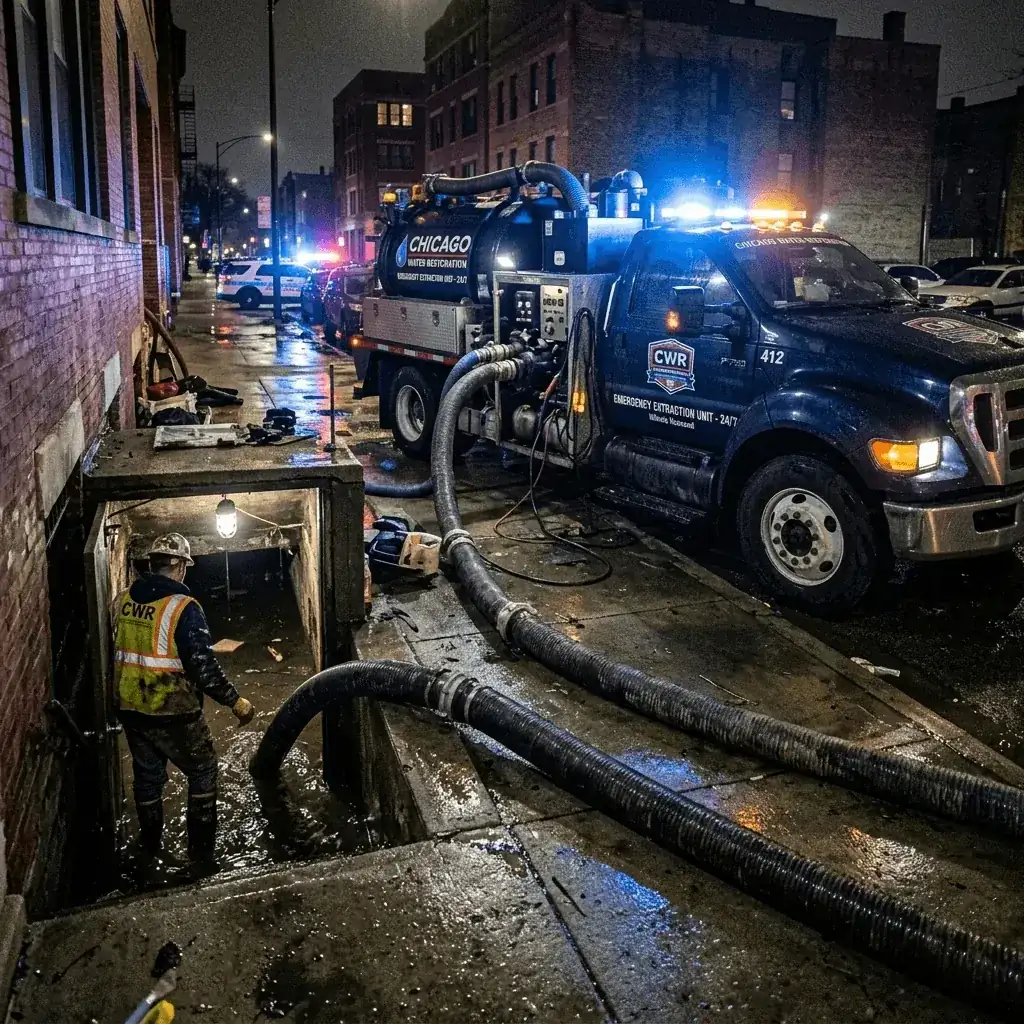
Water Damage Restoration
Complete water damage restoration in Mesa, from initial assessment and water removal to structural drying and final restoration.
- Water damage assessment & inspection
- Water damage cleanup
- Water extraction
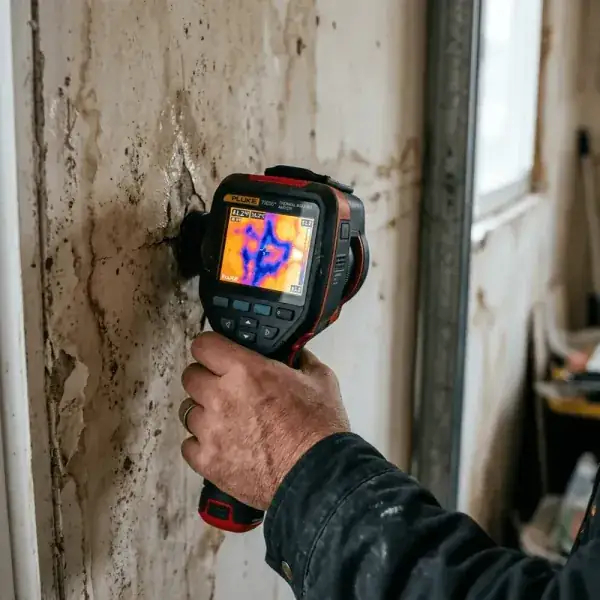
Water Extraction & Removal
Professional water extraction and emergency water removal using commercial-grade equipment to quickly eliminate standing water.
- Standing water extraction
- Emergency water removal
- Truck-mounted extraction
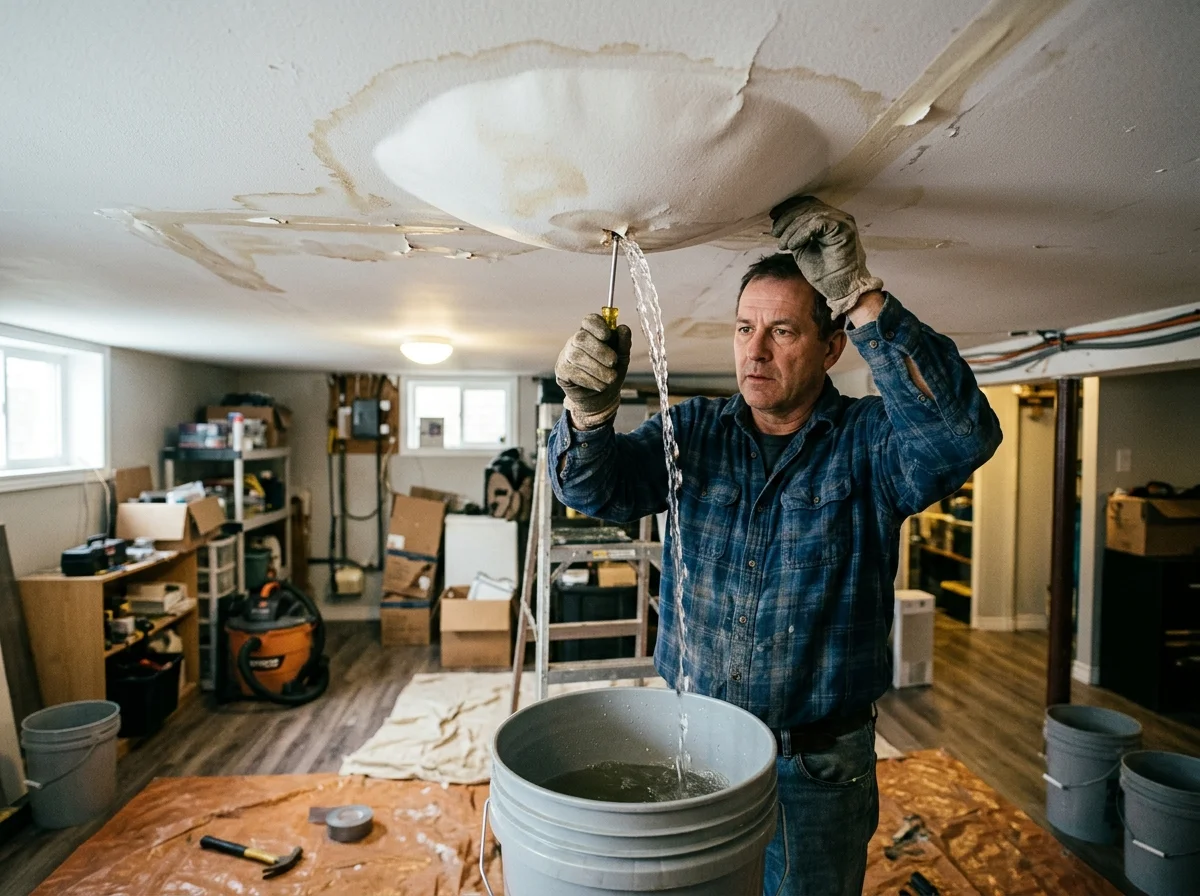
Burst Pipe Water Extraction
Immediate response for burst pipes, leaking appliances, and plumbing failures in Mesa to minimize damage and restore your property.
- Burst pipe cleanup
- Plumbing leak cleanup
- Ceiling leak cleanup
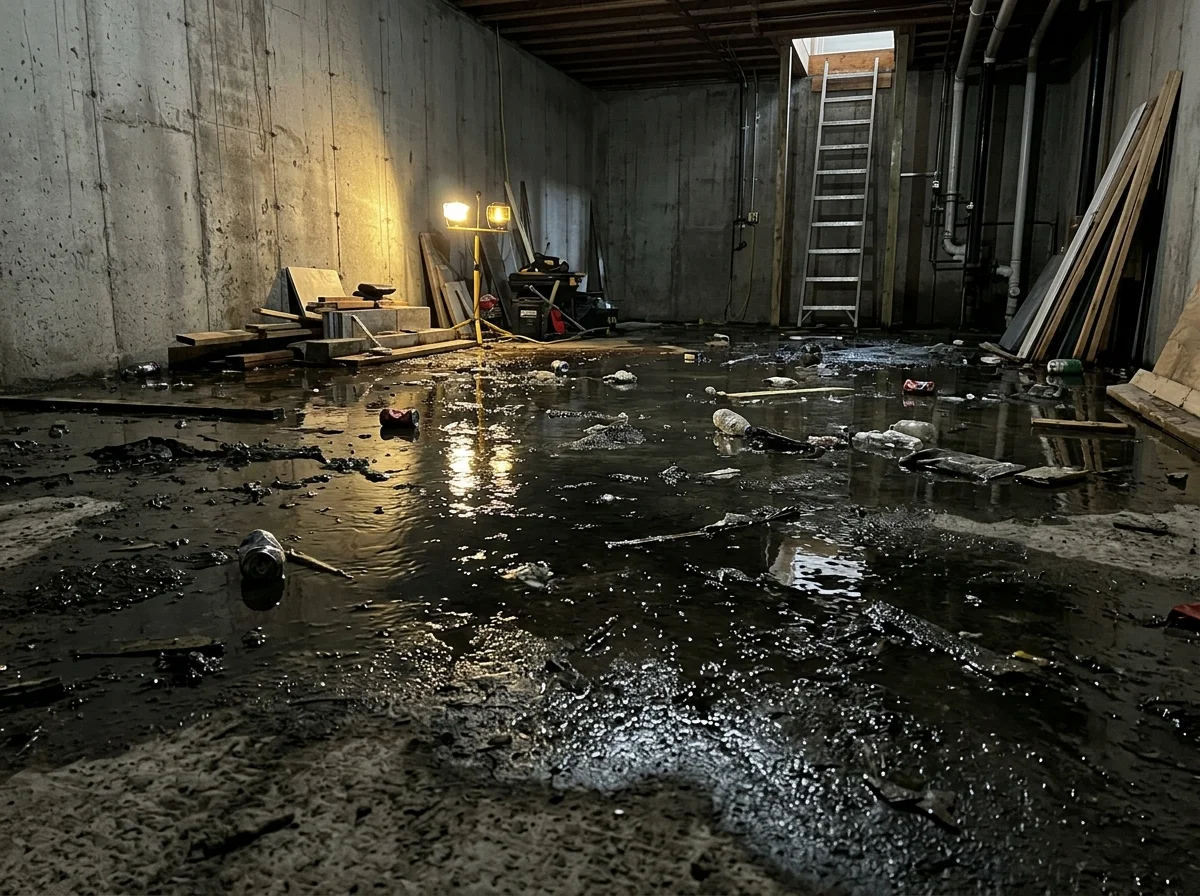
Sewage Cleanup & Removal
Safe and sanitary sewage cleanup and sewage removal in Mesa, protecting your property and health from contaminated water.
- Sewage extraction
- Contaminated material removal
- Sanitization & disinfection
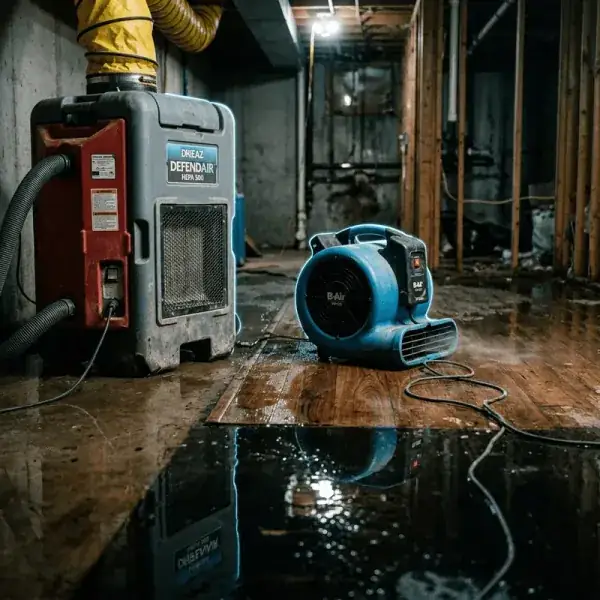
Flood Damage Restoration
Complete flood damage restoration in Mesa, including water removal, cleanup, drying, sanitization, and property restoration.
- Flood damage assessment
- Flood water removal
- Flood cleanup
Mold Remediation FAQs Water Damage Recovery
Find direct answers to common questions about mold inspection, HEPA filtration, structural drying, and insurance claims in Mesa.
What is mold remediation?
Mold remediation is the process of addressing mold contamination by assessing affected areas, containing the work area when appropriate, removing or cleaning affected materials, controlling moisture, drying, and restoring the property. It addresses the full scope of the problem — not just the visible surface.
What is the difference between mold removal and mold remediation?
Mold removal generally refers to physically removing mold from affected materials. Mold remediation is the broader process that includes assessment, containment, removal, cleaning, moisture control, drying, and restoration — addressing both the contamination and the conditions that caused it.
How much does mold remediation cost in Mesa, AZ?
The cost of mold remediation in Mesa, AZ depends on several key factors, including the square footage of the affected area, the source and severity of moisture intrusion, the type of materials contaminated (such as drywall, insulation, or framing), and the extent of containment and HEPA air filtration required. Because every property is unique, a thorough on-site inspection and moisture assessment are required to provide an accurate estimate.
What causes mold to grow inside a home?
Mold can develop when moisture and suitable conditions persist. Common contributors include plumbing leaks, roof leaks, water damage, condensation, high humidity, and moisture trapped inside building materials after a water-related incident.
Can mold return after it has been cleaned?
Yes. If the underlying moisture condition remains unresolved, mold can return. Addressing leaks, excess humidity, condensation, or other moisture sources is an important part of the remediation process to help prevent recurrence.
Can mold grow inside walls?
Yes. Hidden leaks and moisture can create conditions for mold growth inside wall and ceiling cavities. Signs can include persistent musty odors, staining, recurring visible mold, or unexplained moisture damage on surfaces.
Can mold-damaged drywall be saved?
It depends on the extent of the mold growth, the condition of the drywall, and whether it can be effectively cleaned. Heavily affected porous materials typically need to be removed and replaced as part of the remediation process.
Do I need mold testing before remediation?
Not every situation requires the same type of testing. A professional assessment can help determine the appropriate next step based on the visible conditions, moisture sources, and extent of the suspected mold problem.
How long does mold remediation take?
The timeline depends on the size of the affected area, the materials involved, the moisture source, and the amount of removal and drying required. A professional assessment is needed to determine the scope of work and estimated timeline.
Does homeowners insurance cover mold remediation?
Coverage varies by policy and the cause of the mold. Mold associated with a covered water-damage event may have different coverage considerations than mold caused by long-term moisture or maintenance issues. Check your policy or speak with your insurance provider about your specific situation.
Suspect Mold in Your Mesa Home? Take Action Before It Spreads.
Hidden moisture behind walls and under floors can foster active mold growth in as little as 24–48 hours. Our certified team provides thorough assessments and professional remediation.